What Is a Mortise Lock and Why Do So Many Columbia Buildings Still Use Them?
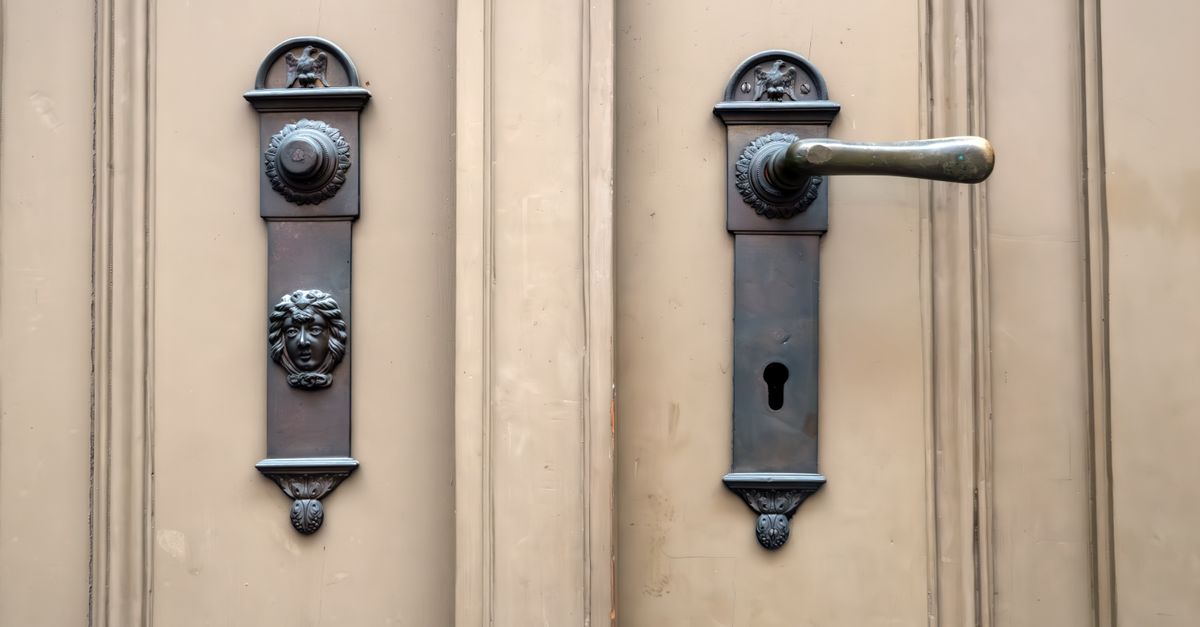
A mortise lock is a self-contained lock assembly — typically housing a latch bolt, a deadbolt, a spindle for the door knob or lever, and in many cases an auxiliary bolt — all inside a single metal case that drops into a precisely cut pocket, or mortise, in the door's edge. This inset design means the hardware is physically part of the door rather than simply bolted to its face, which gives it significantly greater resistance to forced entry than a surface-mounted cylindrical set. That structural advantage is exactly why generations of architects specified mortise hardware for everything from single-family homes in Shandon and Earlewood to the older commercial storefronts and government offices that still populate downtown Columbia.
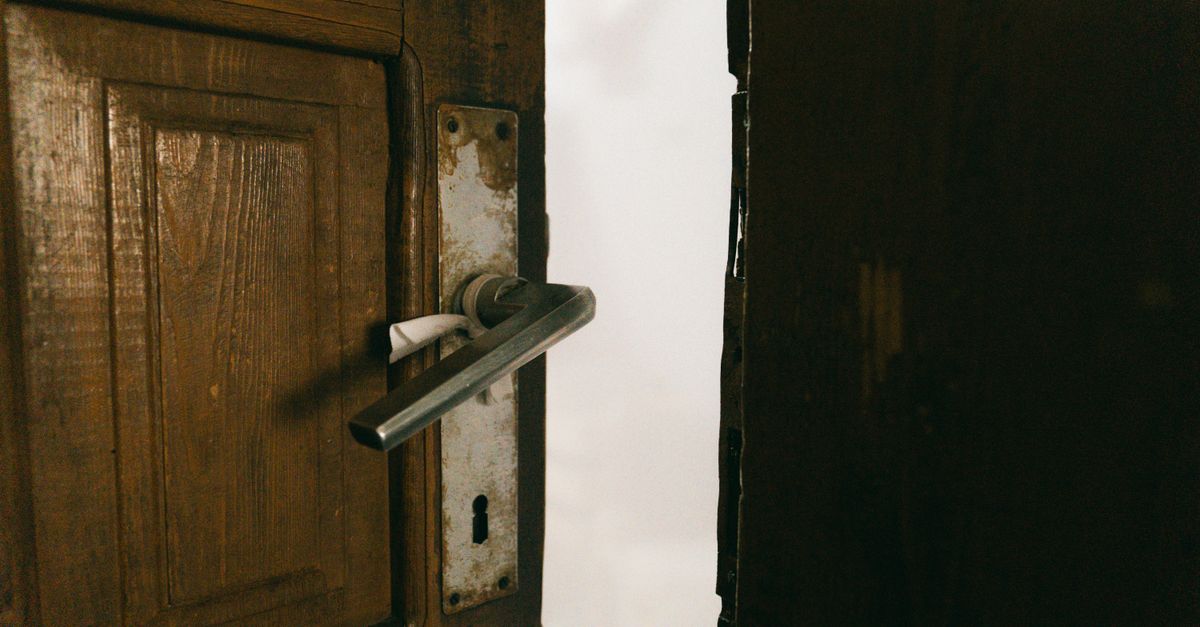
Recognizing a mortise lock is straightforward: look at the door edge and you will see a faceplate that is flush with the wood, with both a latch and a deadbolt projecting from the same plate. On the interior you will typically find a large backset case rather than the small round housing of a modern door knob lock. Common legacy brands found across Columbia properties include Corbin Russwin mortise lock sets — a staple in institutional and commercial buildings for over a century — and Baldwin mortise lock hardware, which appears frequently in higher-end residential construction. Both lines were built for longevity, but they require a locksmith who understands their specific geometry, follower sizes, and cylinder formats to service them properly.