Car Key Replacement by Vehicle Make and Model — What the Process Actually Involves
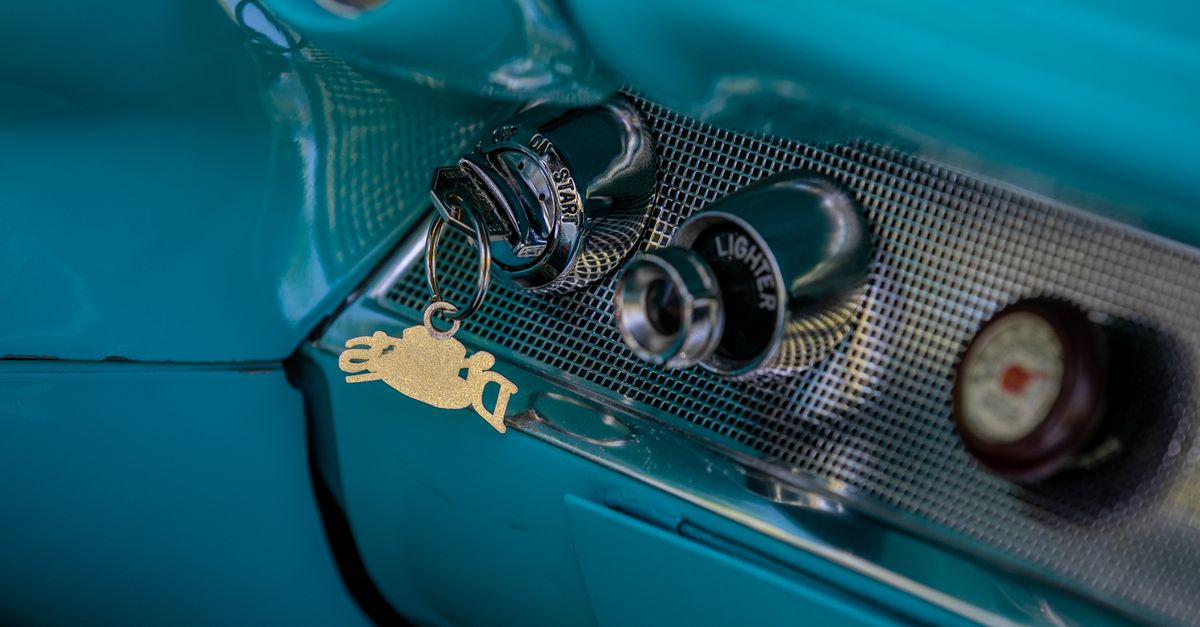
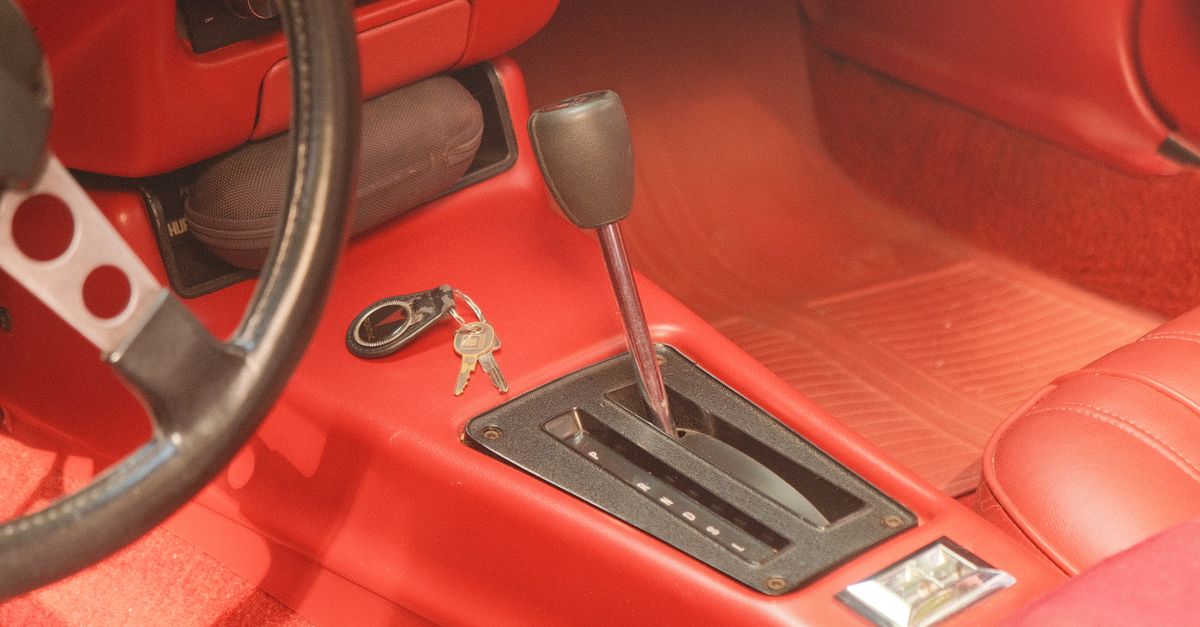
Not every replacement key is created the same way, and the process your technician follows depends entirely on your specific vehicle. For older vehicles — generally pre-1995 models — a standard mechanical cut is often all that is needed. The technician measures the original key or reads the lock cylinder directly, selects the correct key blank for that make and model, and cuts a precise duplicate on a mobile cutting unit. For vehicles equipped with transponder systems, which began appearing broadly in the mid-1990s and are now nearly universal, the physical cut is only step one. A separate programming sequence must be completed using OBD-II diagnostic tools and manufacturer-specific software so that the new key's embedded chip is recognized by the car's immobilizer. Skip that step and you will have a key that turns in the ignition but will not start the engine.
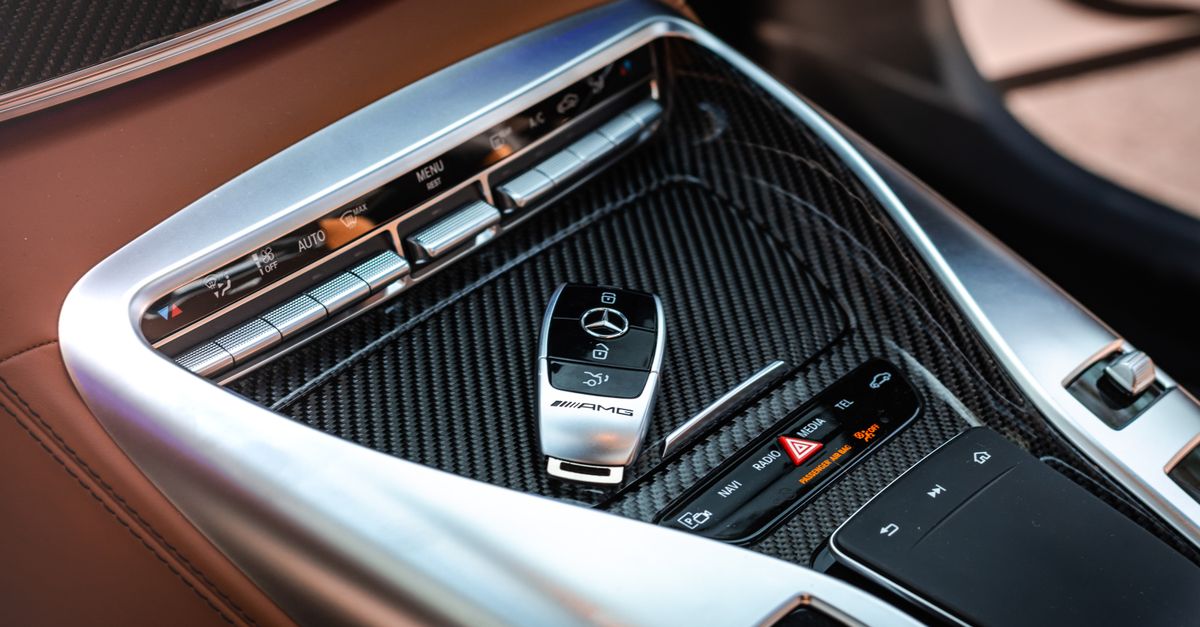
Push-to-start vehicles and keyless entry fobs add another layer of complexity. Smart keys for brands like Toyota, Lexus, Nissan, Infiniti, and most European luxury marques communicate with the vehicle continuously via radio frequency. Programming these units requires not just diagnostic access but often a seed-and-key authentication exchange that confirms the technician is working on the registered vehicle. Our team carries equipment calibrated for domestic brands — Chevrolet, Ford, Dodge, Jeep, Ram — as well as Asian and European lines. If you drive a Honda CR-V near the Irmo area or a BMW on Beltline Boulevard, call (000) 000-0000 and we will confirm compatibility before we dispatch so there are no surprises when we arrive.