What House Rekeying Actually Involves — and Why It Works
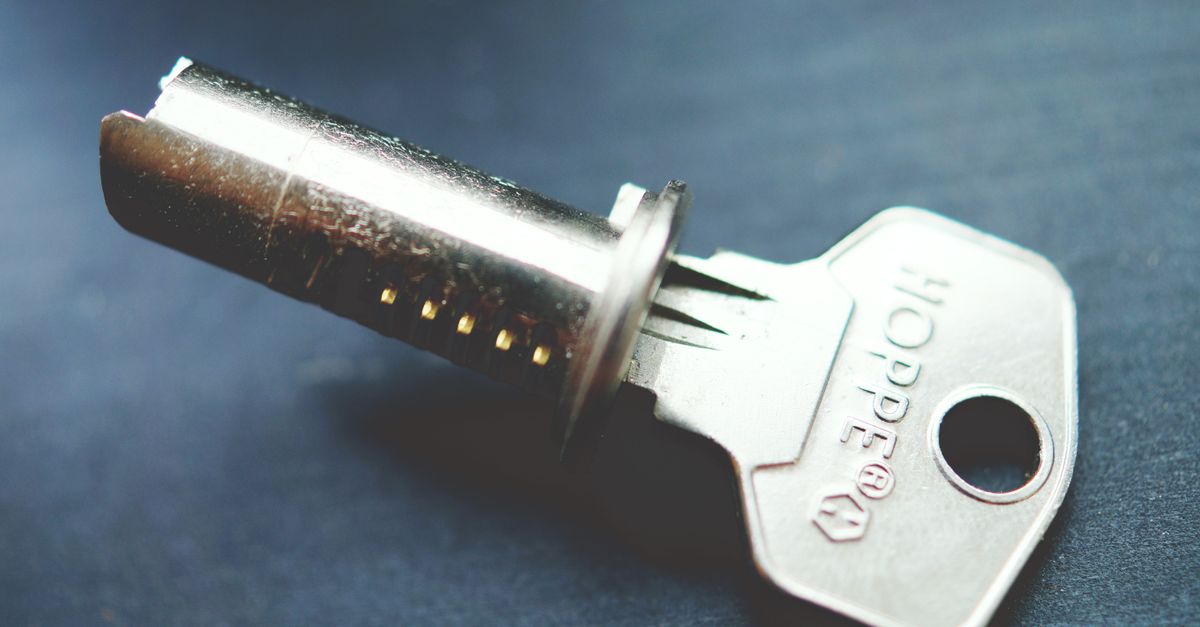
Rekeying is a mechanical process that targets the pin stack inside your lock cylinder. Every pin tumbler lock — the kind found in the vast majority of residential deadbolts, door knob locks, and mortise lock assemblies — contains a series of driver pins and key pins of varying heights. Your key lifts each pin stack to an exact height so the shear line clears and the cylinder rotates. When we rekey, we remove the cylinder, extract those key pins, and replace them with a new combination of pins that corresponds to a freshly cut key. Your old key becomes completely useless after that. No drilling, no damage, no new hardware needed in most cases.
This is fundamentally different from simply changing the locks, which involves removing and replacing the entire lockset. Rekeying is faster, generates no waste hardware, and leaves your existing door prep and strike plate untouched. It's an especially smart choice when your current locks are high-quality — Schlage or Kwikset deadbolts in good working condition, for example, or a heavier mortise lock on an older Columbia home. There's no reason to discard a solid lock just because the key history is unclear. Our technicians assess the cylinder condition first and will recommend replacement only if the hardware itself has worn or damaged components.